
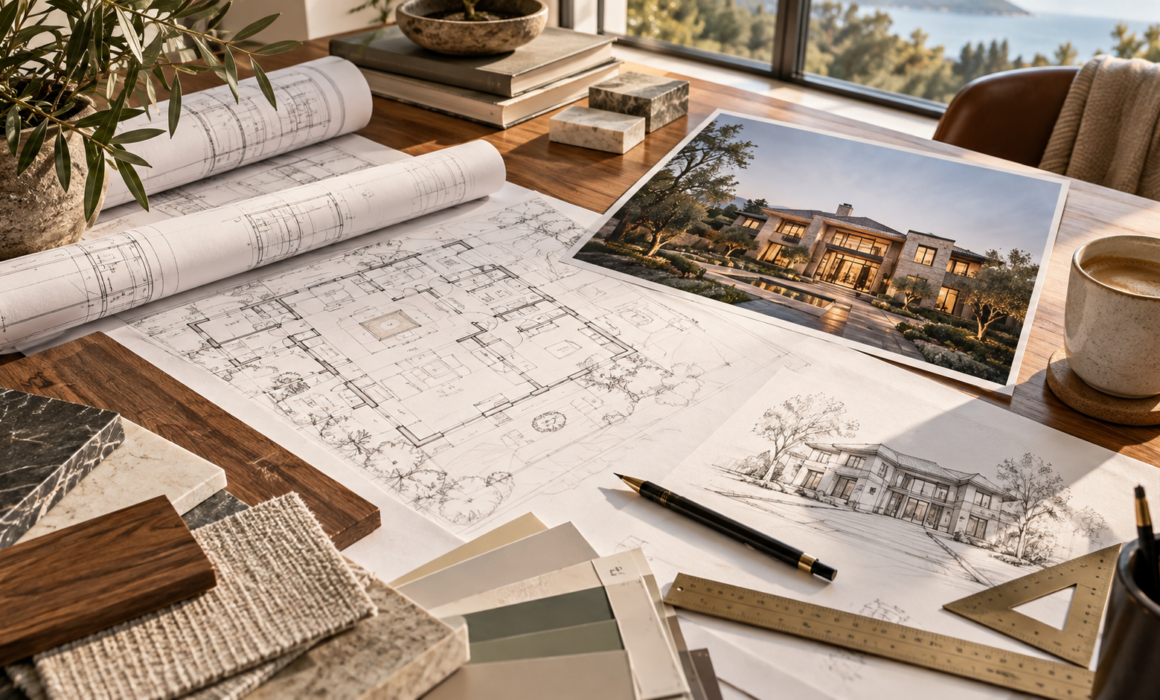
How to Hire the Right Architect for Your Custom Home or Remodel
Choosing an architect is one of the most consequential decisions you will make for your home. The right professional will protect your investment, translate your vision into a beautiful and buildable design, and guide you through one of life’s most exciting—and most complex—journeys. The wrong choice can cost you time, money, and peace of mind.
Whether you are planning a custom home, a major remodel, a complex reno-scrape, or a significant addition, this guide will help you define what to look for and what questions to ask before you commit.
Look for the Right Kind of Experience
Not all experience is created equal. A portfolio of beautiful homes tells part of the story. It does not tell you everything.
Look for an architect whose experience extends well beyond aesthetics. Ask about their background in building science, energy efficiency, healthy indoor environments, and aging-in-place design — these are not secondary considerations, but the foundation of a home that performs well, feels comfortable, and genuinely supports your family’s well-being for years to come. This kind of technical knowledge also protects your investment: homes built with sound building science hold their value, cost less to operate, and avoid the expensive performance problems that surface years later. Credentials such as LEED or Certified Passive House Designer (CPHD) signal a real commitment to high-performance design, not just surface beauty. And in Western regions, where wildfire resilience and climate variability are increasingly important considerations, this kind of technical depth matters more than ever.
Ask whether their experience aligns with your specific project type. A firm that has successfully navigated custom homes, reno-scrapes, interior remodels, and major additions in your area will understand the structural realities, local permitting requirements, and design opportunities that a generalist may miss.
Hire Someone Who Thinks About the Whole Home
One of the most common sources of disappointment in high-end residential projects is the disconnect between architecture and interior design. When separate professionals work in isolation—one designing the exterior shell, another selecting finishes, cabinetry, and interior spaces—the result often feels like two different homes that happen to share the same walls. When the interiors are an afterthought, it is more likely to have spaces that are not properly sized and oriented for the function you ultimately desire.
The most coherent, livable homes are designed from the inside out and the outside in, at the same time.
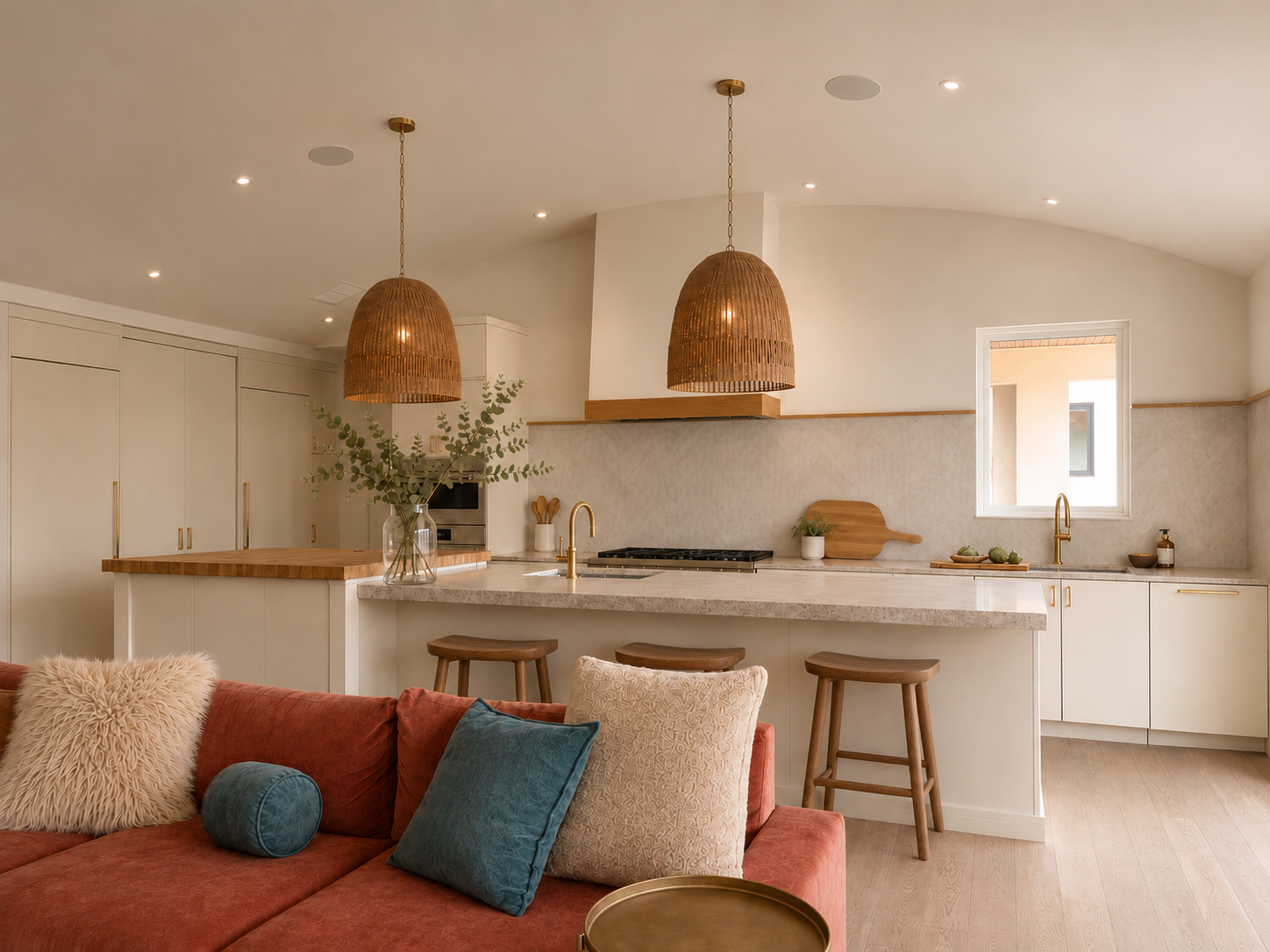
Look for an architect who considers the entire property from the very beginning—site planning, views, orientation, exterior massing, interior layout, natural light, finish selections, and function—as one cohesive design. When your architect is thinking about your furniture layout, kitchen cabinetry, flooring transitions, and your lighting plan at the same time they are developing your floor plan and exterior architecture, every decision reinforces the next. Nothing feels like an afterthought. Everything feels intentional.
This kind of comprehensive, integrated approach is not standard in the industry. But when you find it, it changes everything about the finished home.
Prioritize a Clear, Structured Process
A beautiful home is not only the result of good design. It is the result of a clear, disciplined process that manages complexity, reduces surprises, and translates your vision into a built reality.
Ask any architect you are considering to walk you through their process. How do they begin? What milestones guide the work? Where do they make design decisions, and when do those decisions get finalized?
A well-structured process should begin with a genuine feasibility conversation—one that helps you understand what is possible from a form, regulatory, budget and time standpoint before you commit deeply to a design direction. This kind of upfront clarity saves you from making costly decisions based on assumptions.
From there, the design phase should be integrated and thorough, with site planning, exterior architecture, and interior design developing together rather than in sequence. Your architect should also produce Construction Documents detailed enough that your contractor has clear, complete guidance—leaving as little ambiguity on the job site as possible. Thorough construction documents are not a formality. They are one of the most powerful tools for keeping your project on time and on budget.
Ask what happens during construction. Does the architect remain actively involved? Do they visit the site, review the work for design conformance, and answer questions as they arise? An architect who steps back once permits are issued may leave critical decisions in someone else’s hands which could lead to costly mistakes or delays.
Seek a Concierge-Level Advocate, Not Just A Communicator
Communication matters. But for a project of this scale and complexity, what you really need is an advocate.
Building or remodeling a home requires navigating a long chain of moving parts: city approvals, permitting, engineering coordination, contractor bids, material selections, construction timelines, and dozens of decisions that arise when you least expect them. This is the part of the process that can feel overwhelming—and it is exactly where the right architect earns their place.
Look for someone who will handle the messy stuff on your behalf. Someone who will review contractor bids with a critical eye, help you select a builder who is the right fit for your project, collaborate with structural engineers, attend site meetings, and protect your interests through every phase of the work.
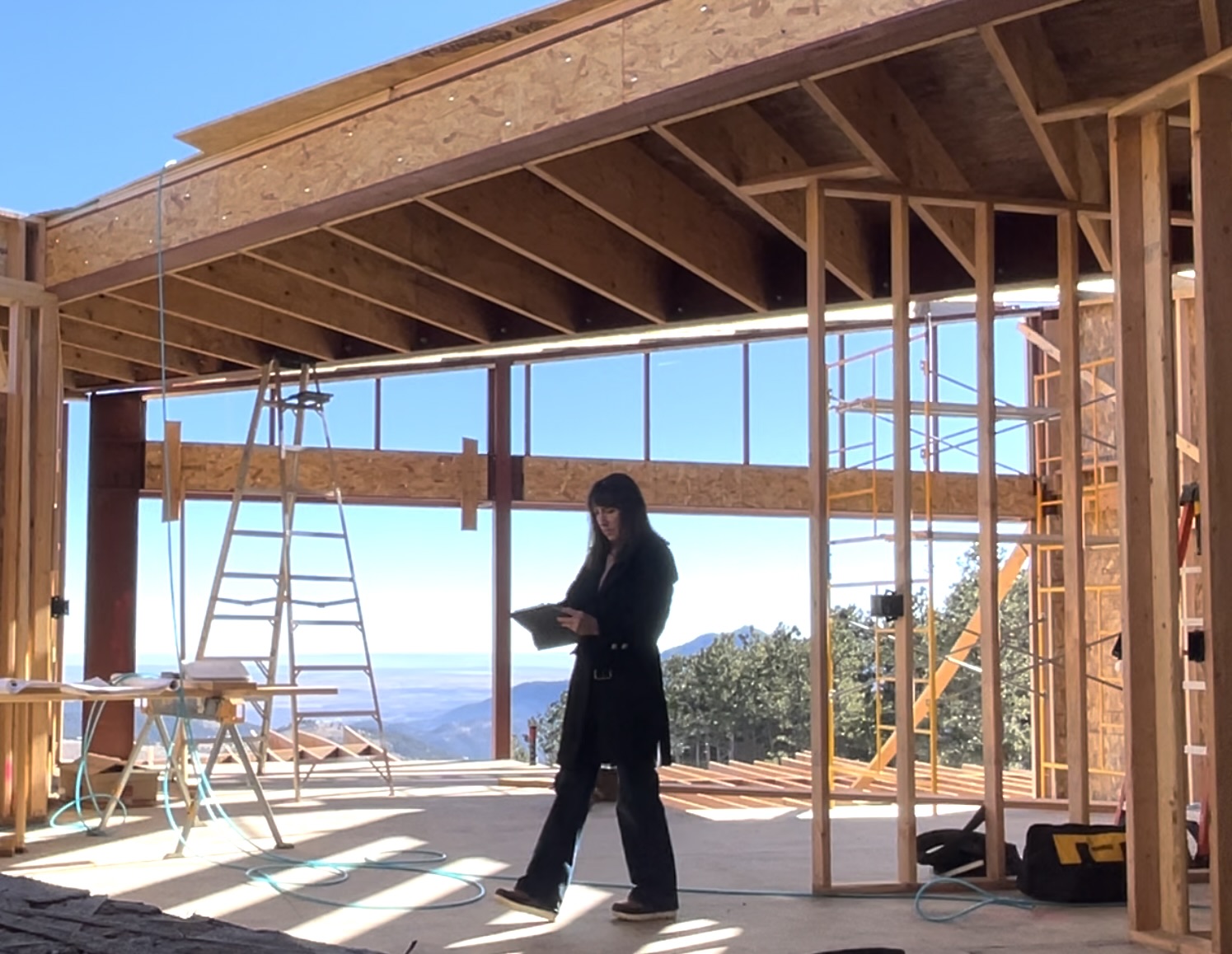
The goal is not simply to stay informed. The goal is to feel genuinely supported—so you can experience the excitement of watching your dream home come to life without the stress and uncertainty that so often accompany it.
When you speak with a potential architect, pay close attention to how they listen. Do they ask thoughtful questions about your family, your lifestyle, and how you want to feel in your home? Or do they lead with their own ideas before they have truly heard yours? The right architect listens first. Really listens. Then designs.
Your architect also needs to communicate your design goals effectively to the people who bring your home to life — contractors, tradespeople, engineers, and building department officials. Experience and technical skill are essential, but they only matter if they translate into professionalism in written, verbal, and document communication.
Look for positive reviews and references — not just from past clients, but from the contractors and consultants who have worked alongside them. Clients can tell you what it was like to be guided through the process. Contractors and consultants can tell you what it was like to build from their drawings and coordinate with them day to day — which is often the clearest signal of how smoothly your own project will run.
A great architect’s value isn’t just in creating a pretty picture. It’s in how smoothly you get from idea to completed home — with minimal delays, questions, misinterpretations, and added costs. Ask about the architect’s experience and what level of drawings and details they’ll provide to turn your vision into reality. Simply asking for “a set of blueprints” is no guarantee that everything needed to actually build or remodel your house will be included.
Know Who You’ll Be Working With
Ask who will be your point person, and who will make up the project team. This matters because it affects how responsive your architect will be to your questions and concerns, and whether the person guiding your project has real experience with projects like yours. At a larger firm, the architect you meet during the interview process may not be the one actually running your project. At a smaller firm, one person may be managing the majority of the project and communications.
You’ll be working with your architect from schematic concepts through construction — often for many months or even years, depending on the scope of the project. Ask how they typically respond to questions day-to-day: Is it a quick call or email back within hours, or does everything route through layers of staff first? Given how much you’ll be communicating with this person and/or their team throughout, good chemistry and compatible communication styles matter.
Understand What the Architectural Fee Really Represents
Architectural fees typically represent a relatively modest percentage of your total project cost. For the scope and complexity of a custom home or major remodel, that percentage may feel significant—but consider what it actually protects.
Construction is expensive. Materials, labor, systems, and finishes for a custom home or complex remodel represent a major investment. The architect’s fee is what ensures those construction dollars are spent wisely.
A skilled, deeply involved architect will help you avoid costly design changes mid-construction, select materials and systems that perform efficiently over the long term, and make early decisions that lower your energy costs and increase your home’s resale value. Thoughtful decisions made early—especially around building envelopes, energy efficiency, and carefully specified materials—can generate financial returns that far exceed the initial investment in careful design.
Put simply: the right architect isn’t just an added expense to your project. They protect the investment you are planning to make—and help you get far more out of it.
What are “typical” architectural fees? These can vary depending on the expertise and the scope of services provided. It is important to understand what you are getting from each architectural proposal that you review to make sure that you are comparing apples with apples.
If one firm’s fee seems very low compared to others, it is worth understanding why – it may be because they are providing fewer services or are less experienced than others you are considering. How will that impact your project?
Check out this great article on residential contracts and fee structures (percentages discussed may not be exact for architects in your area or for your project scope):
What the Right Fit Looks Like
When you find the right architect, a few things will be immediately clear. They will ask more questions than they answer in the first conversation. They will be honest about what is possible and realistic about what your build will likely cost. They will have a clear process, deep experience, and credentials that reflect both design excellence and technical rigor. And they will talk about your home the way you think about it—as a place where your family will live, thrive, and feel genuinely at home.
Hiring an architect is not only a practical decision. It is a trust decision. Choose someone whose values, experience, and process give you confidence that your home—and your investment—is in the right hands.
If you are exploring a custom home, remodel, addition, or high-performance residential project in Colorado or California, we would love to hear about your vision. We offer a complimentary Discovery Call to help you understand what is possible and how we can guide you through every step of the journey.